Key takeaways:
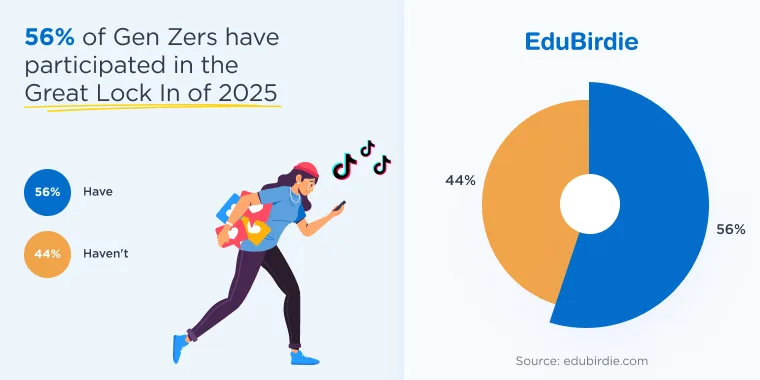
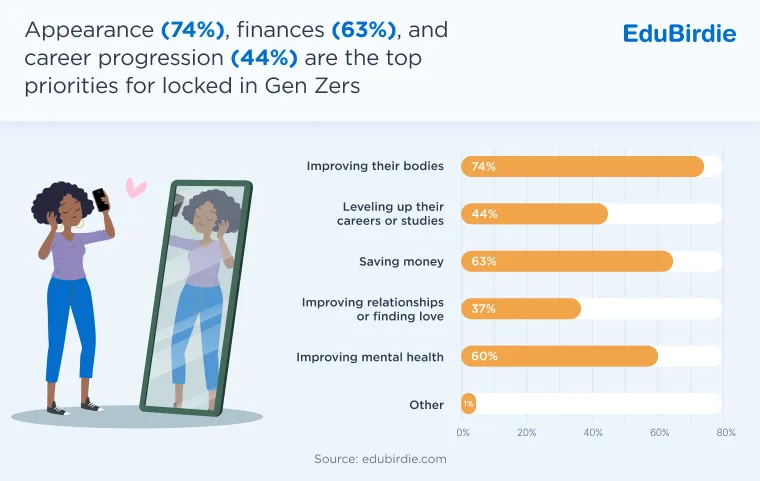
- Some 56% of Gen Zers are participating in TikTok’s Great Lock In, with 74% focusing on improving their bodies, 63% strengthening their finances, and 44% on career growth.
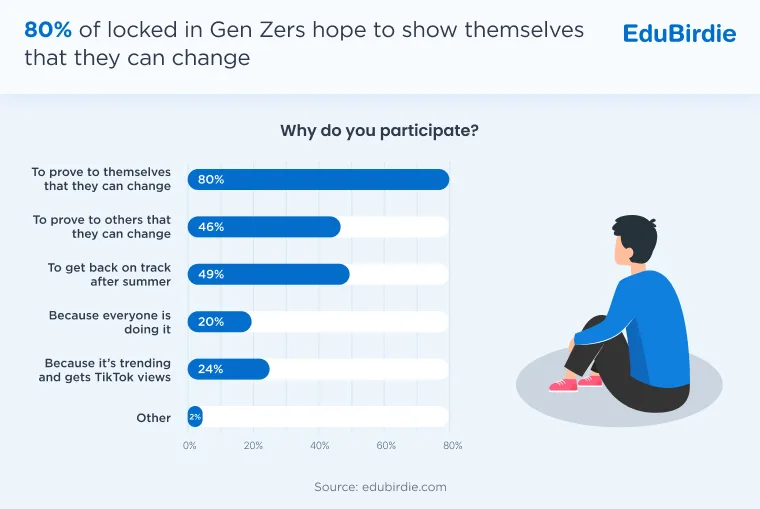
- 80% are participating to prove to themselves they can change, while 46% want to show loved ones it’s possible.
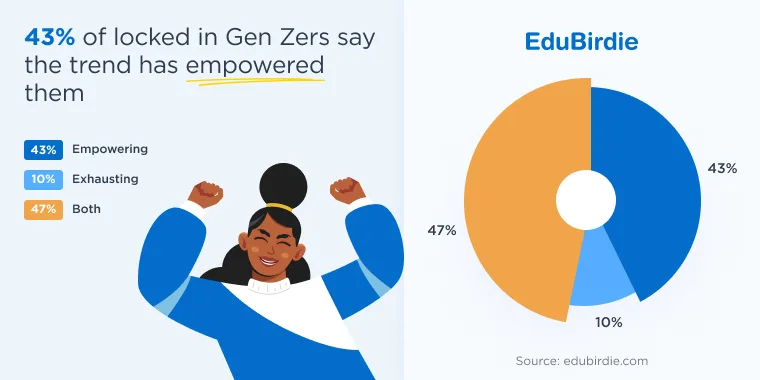
- 90% insist the trend has empowered them to push towards their goals.
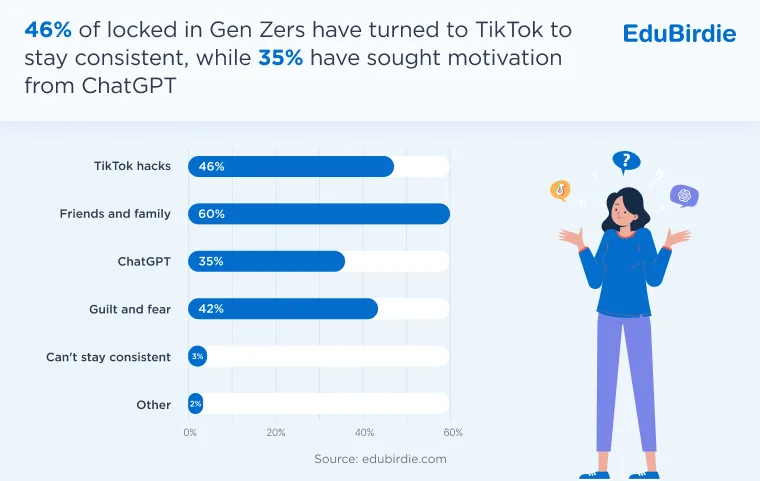
- While self-improvement is always challenging, 60% rely on loved ones for support, 46% turn to social media, and 35% seek inspiration from ChatGPT.
Forget waiting until January to chase your personal goals. Gen Z is locking in today.
Not every social media challenge is silly and stupid. Some offer real benefits and plenty of motivation, and the “Great Lock In” is one of them. EduBirdie surveyed 2,000 Gen Zers, both participants and non-participants in the trend, about what motivates them, how they handle challenges, and how they’re feeling this fall.

What is the Great Lock In of 2025? Well, it’s a challenge in self-improvement. Participants commit to stricter routines—whether that’s working out consistently, budgeting every dollar, or dedicating extra hours to career development—and maintain that intensity all the way to the end of the year – and 56% of Gen Zers have already signed up.
Focus Mode: What’s Driving the Great Lock In Challenge?

This shift toward discipline also reflects a broader change in lifestyle habits — including Gen Z’s evolving relationship with alcohol, with many drinking less or approaching it more intentionally as part of their self-improvement goals.
Their ambitions are clear: 74% are focused on sculpting healthier, stronger bodies, 63% are tightening up their finances like never before, and 44% are chasing career growth with laser-sharp determination. More than just a fad, the Lock In is fast becoming a cultural moment — one where self-discipline, accountability, and high-octane motivation collide.

For many, it’s less about the outcome and more about the sense of achievement. Some 80% are determined to prove to themselves that they can do it, and 46% aim to show their loved ones that change is possible.
Sure, 24% are only in it because it’s trending on TikTok, but if the results are positive and the Great Lock In is giving Gen Z a reason to push themselves, who’s complaining?

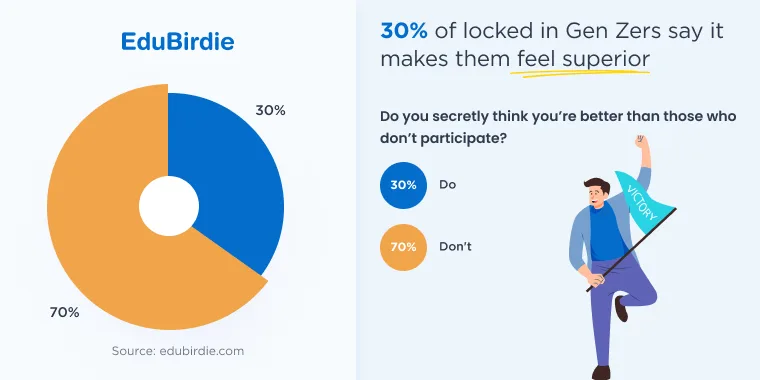
Some 30% of locked in Gen Zers admit their focus makes them feel superior to those skipping the social media trend – and it’s hard to fault them. They’re not just doomscrolling; they’re actively improving themselves. But that sense of superiority also shows that challenges like the Great Lock In can foster comparison, guilt, or pressure.

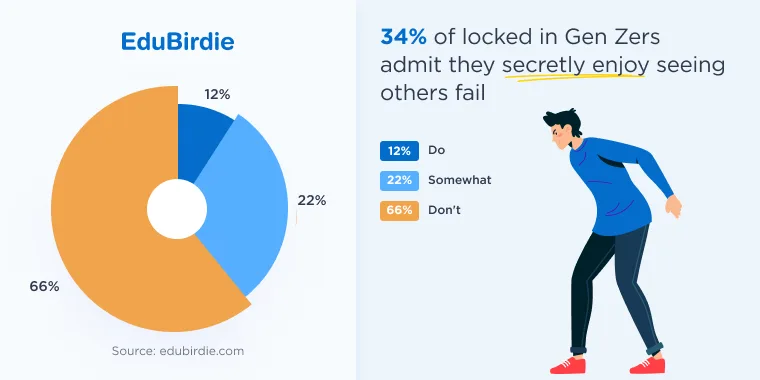
It may sound harsh, but 34% of locked in Gen Zers admit they secretly enjoy seeing others struggle. Why? Because it’s validating – it proves that what they’re doing is difficult, and not everyone can match that level of determination. In other words, the Lock In isn’t just about self-growth; it can also highlight how easy it is to slip into competitive ego, even in the name of improvement.
Logging Off and Leveling Up: Does Locking in Early Really Work?

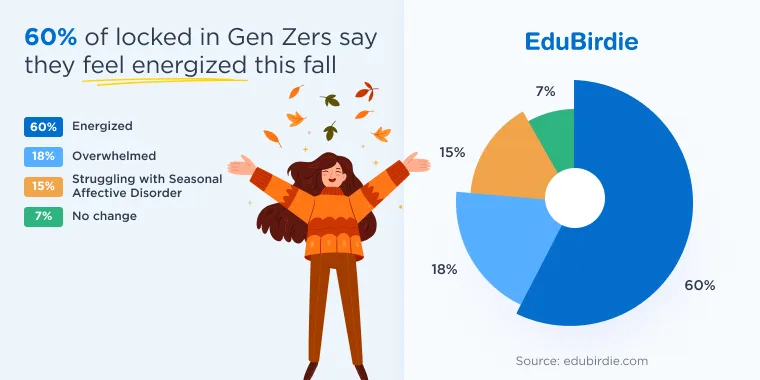
While lofty New Year’s resolutions often fizzle out with the post-holiday slump, 60% of locked-in Gen Zers report feeling energized and motivated this fall, while 18% admit they are overwhelmed, and 7% say they haven’t noticed any changes at all. Meanwhile, 15% of participants report struggling with seasonal affective disorder (SAD), hinting that for some, the Great Lock In can serve as a way to stay active, engaged, and push back against the seasonal blues.

That initial rush of energy doesn’t last forever – 57% admit that chasing their goals has left them feeling exhausted. Yet, with 90% insisting that the Great Lock In has empowered them, all that effort clearly pays off.
Lock Outs: Why Some Gen Zers Aren’t So Convinced

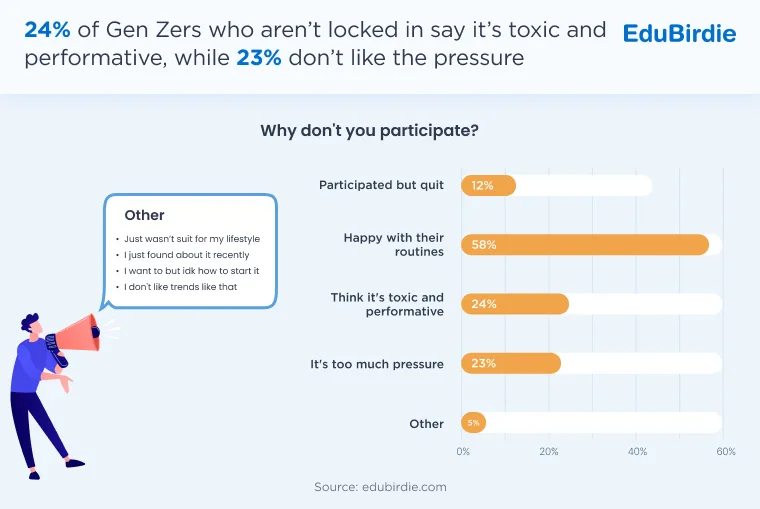
Not all of TikTok’s Gen Z crowd is convinced. While 58% of non-participants are simply happy with their current routines, others believe the Great Lock In is a giant red flag, with 24% labeling it toxic and performative. Meanwhile, 23% say it piles on too much pressure, making self-improvement feel more like a stress-inducing obligation than an empowering choice. After all, not every viral challenge is a one-size-fits-all solution.

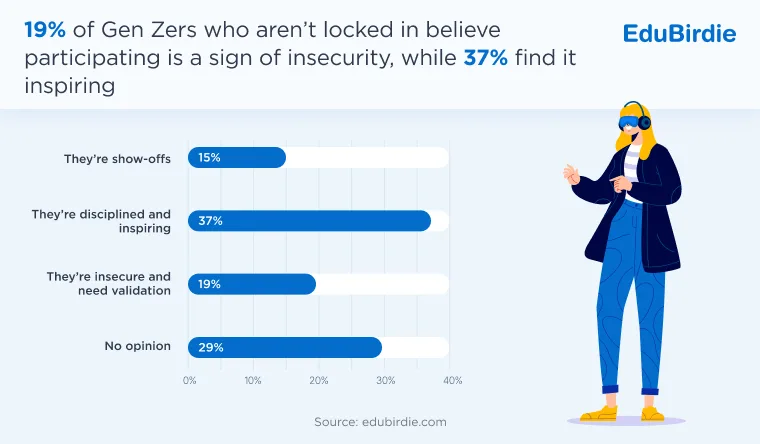
For many of those who look down on the lock in, following these trending TikTok challenges isn’t a sign of drive and determination. Instead, it’s all about performing, rather than proving yourself. Some 19% believe participants are simply insecure and seeking validation, while 15% view it as little more than an opportunity to show off.
Hustle Season: Is Fall the New Season of Self-improvement?

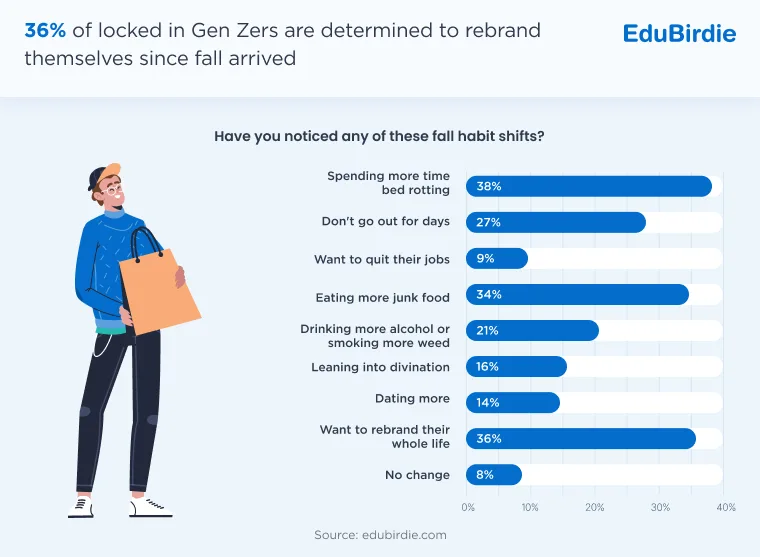
But whatever their motivations, participants in the Great Lock In are clearly committed to making meaningful changes – with 36% insisting that fall has brought with it a desire to rebrand themselves and transform their lives.

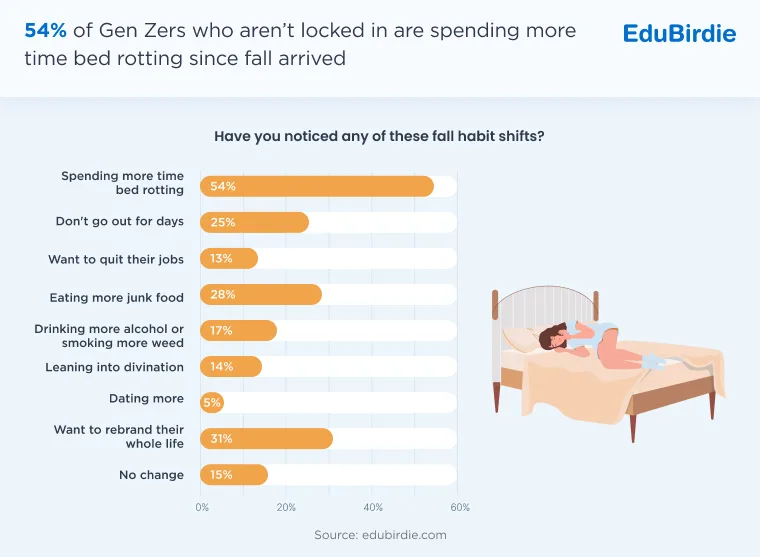
Compare that to those who are committed to staying the same: 54% admit they’re spending even more time bed-rotting, 25% don’t go out for days, and 28% are eating more junk food. That isn’t just stagnation; that’s a slump.

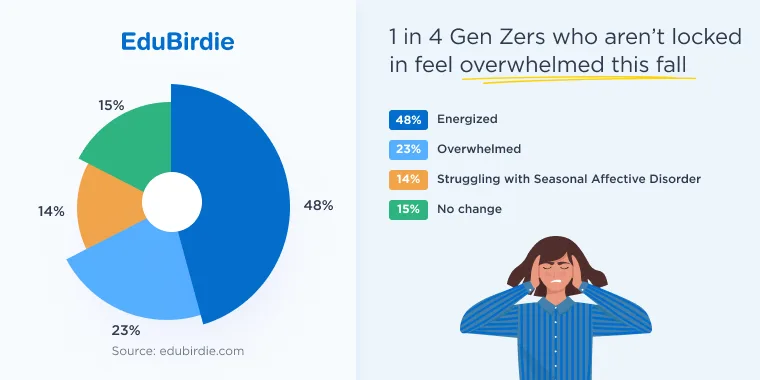
Many want to improve themselves, but 23% admit that the looming end of the year – and sudden sense that everyone is taking steps towards their goals – has left them feeling overwhelmed.
There’s no judgment. Making meaningful changes is hard, even if your TikTok feed makes it look effortless.

If you’re finding it hard to lock in, a little extra support can go a long way. Among those following the trend, 60% turn to friends and family, 46% scroll TikTok searching for hacks, and 35% ask ChatGPT’s all-knowing algorithms for guidance.
It’s always a good time for self-improvement, and it doesn’t need a December deadline or TikTok’s approval. While locking in has benefited many, you don’t have to if the pressure saps your motivation and slows your progress. Just keep taking small, consistent steps, and you will reach your goal.