Key takeaways:
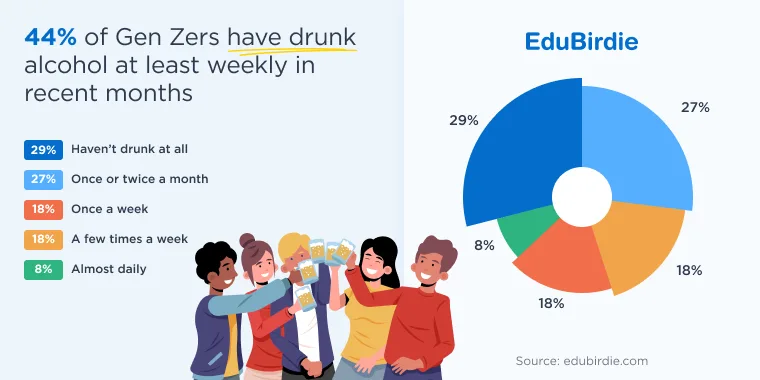
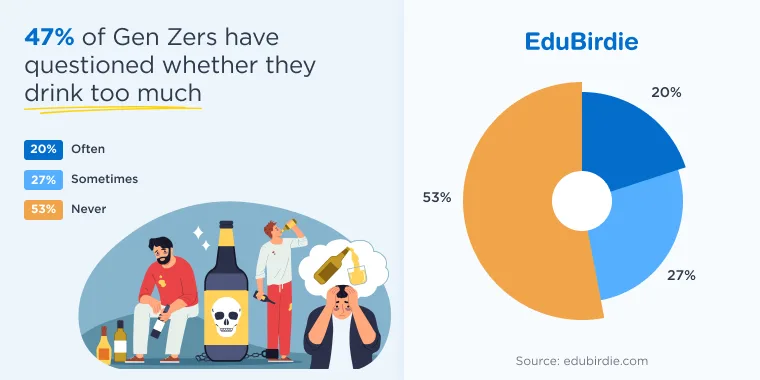
- 44% of Gen Zers drink at least weekly, with 47% having questioned whether they drink too much.
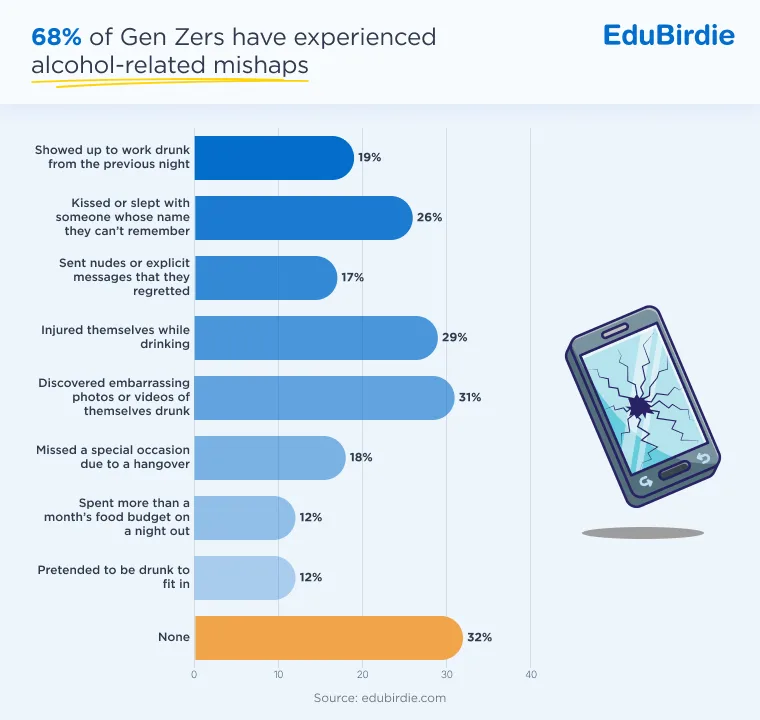
- Two-thirds (68%) have experienced an alcohol-induced mishap, with 31% having discovered embarrassing photos or videos, 29% having injured themselves, and 19% having turned up to work drunk.
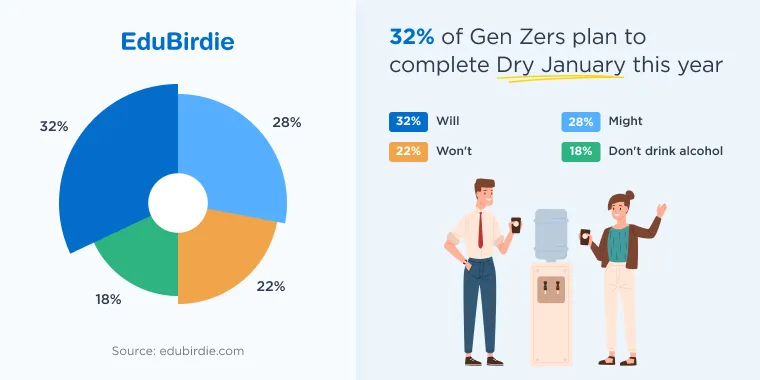
- 32% plan to complete Dry January, while 28% might, hoping to improve their mental health (63%), save money (57%), and avoid cringe moments (20%).
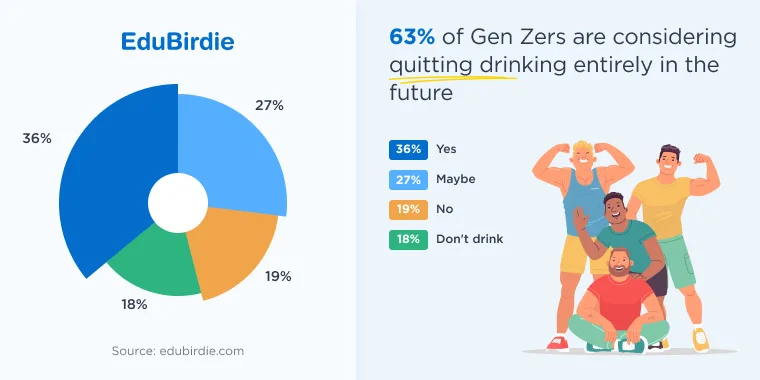
- Many could stay sober beyond January, with 63% considering quitting drinking entirely in the future.
Gen Z may not spend their weekends at the bar like the generations before them, but that doesn’t mean they’re stone-cold sober. Drinking socially is still the norm, and peer pressure is very much alive.
The booze will inevitably flow during the festive season. January, however, offers an opportunity to experience the mental, physical, and financial health benefits of sobriety – and Gen Z is raising a glass to going alcohol-free.
EduBirdie surveyed 2,000 Gen Zers on their relationship with alcohol, their plans for Dry January, and whether a dry month could lead to a sober future.
Gen Z Drinking Culture: Is Gen Z Drinking Less?

Despite the “sober generation” label, the 29% of Gen Zers who abstain from alcohol are still the minority. Some 44% consume alcohol at least weekly, with drinking an almost daily routine for 8%.

Drinking is deeply ingrained in Western culture, especially among the young. Whether it’s hanging out with friends, catching a game, going to a concert, heading on a date, or marking a special occasion… There’s almost always a glass or two involved.
Yet, for many Gen Zers, every sip comes with a side of self-doubt. Some 47% have questioned their relationship with alcohol, with 20% often and 27% sometimes worrying they drink too much.

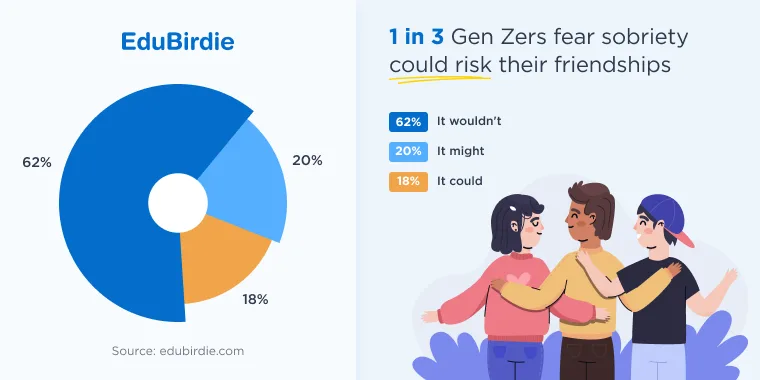
Fitting in matters when you’re young, and saying “no” isn’t easy when everyone’s doing it. For many Gen Zers, skipping a drink comes with social pressure: 18% fear that going sober could put their friendships at risk, while another 20% admit it could.
Shots & Slip-ups: The Consequences of Over-indulging

It all seems like harmless fun until you wake up with a pounding headache and the dread of not knowing what happened last night. For 68% of Gen Z, alcohol consumption has led to at least one awkward or regrettable moment.
Some 31% have stumbled across embarrassing photos or videos of themselves, 26% have made out or slept with someone whose name is a blur, and 29% have injured themselves while under the influence.
But often, the consequences are greater than scraped knees and a bruised ego – 19% have risked losing their job by showing up drunk, and 18% have missed special occasions, putting their relationships on the line.

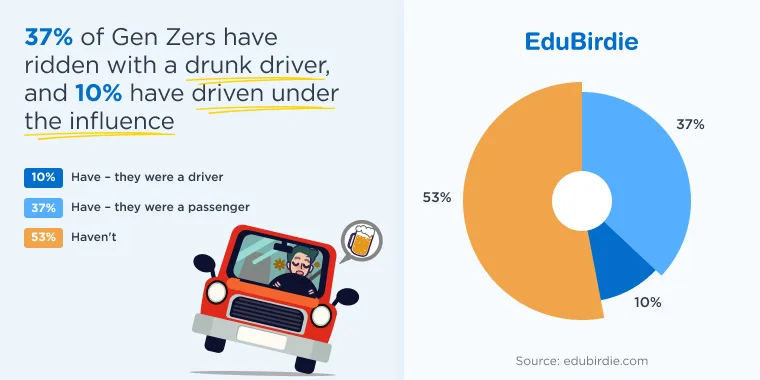
While most would agree that drunk driving is a dangerous gamble, 37% of Gen Zers admit they’ve ridden with a drunk driver, and 10% have driven while under the influence themselves.
Alcohol numbs our inhibitions, which is why it makes us prone to doing stupid things. One too many drinks, and we stop asking “what if?” and start saying “why not?”

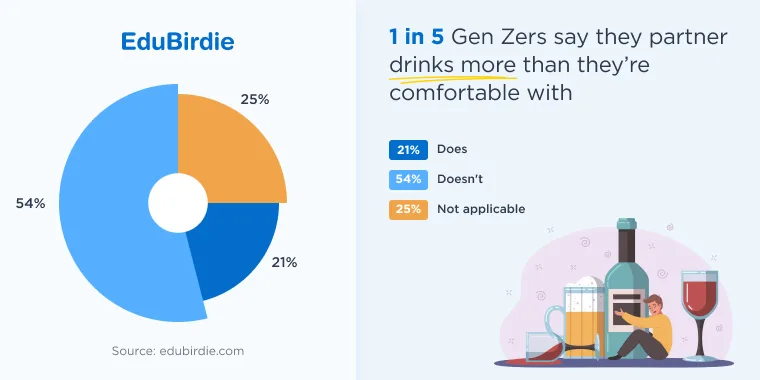
Overdoing it doesn’t just take its toll on us. It puts stress on those around us, too, with 21% of Gen Zers admitting their partner drinks more than they’re comfortable with.
Bye-bye Booze: Gen Z’s Plans for Dry January

With the festive season comes plenty of drinking, but next month marks Dry January, meaning a much-needed break from all the booze.
Setting social pressure aside in favor of the health benefits of going alcohol-free, 32% of Gen Zers have committed to a month of sobriety, while 28% are considering giving their livers a rest.
Clear Head, Full Wallet: The Benefits of Dry January

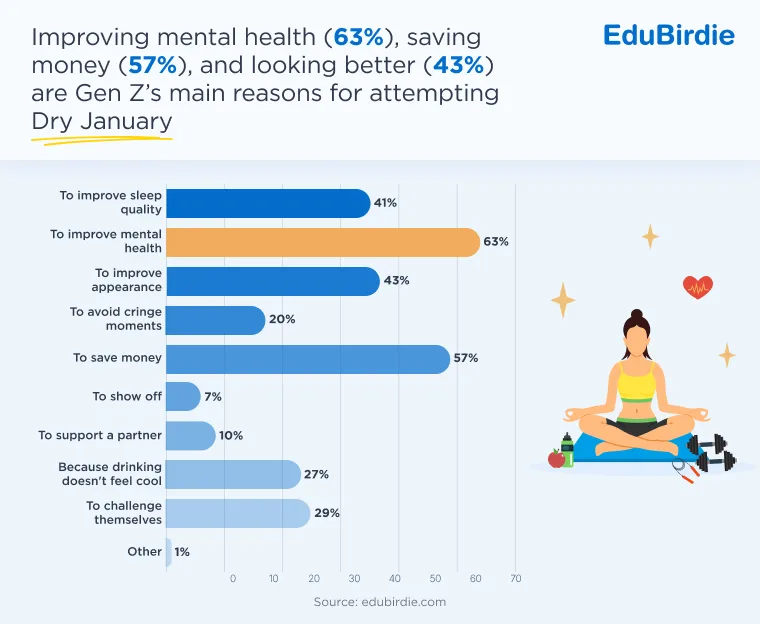
Why do people do Dry January? For most Gen Zers, it’s a self-care thing. Some 63% view it as an opportunity to boost their mental health, 43% aim to improve their physical appearance, and 41% hope for a good night’s sleep.
For others, it’s about navigating social pitfalls: 20% want to avoid those moments of cringe the following morning, while 27% say drinking doesn’t feel as cool as it used to be.
Additionally, 57% view it as a means to save money after the expensive festive season.

Dry January is good for your health, and it’s good for your wealth.
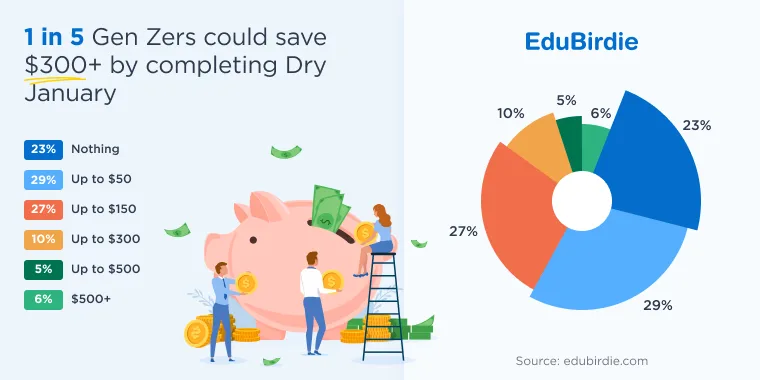
Some 21% of Gen Zers estimate that a month of sobriety could save them more than $300, with 6% convinced that keeping their glass empty could fill their wallet by more than $500.
Gen Z’s new fall trend isn’t about what’s in their glass, but whether they’re holding one at all. As more young people question their drinking habits, sobriety is quickly becoming a lifestyle choice rather than a temporary challenge.
A Step Towards Sobriety: Could Gen Z Go Teetotal?

Dry January becomes Dry February, you learn how to have fun without drinking, and your body feels a whole lot better. Eventually, you stop counting down the days until you can celebrate with a cold one.
For many, it’s the reset they need to reconsider their relationship with alcohol, and Dry January statistics show 36% of Gen Zers are already open to making it permanent, with another 27% contemplating sobriety.

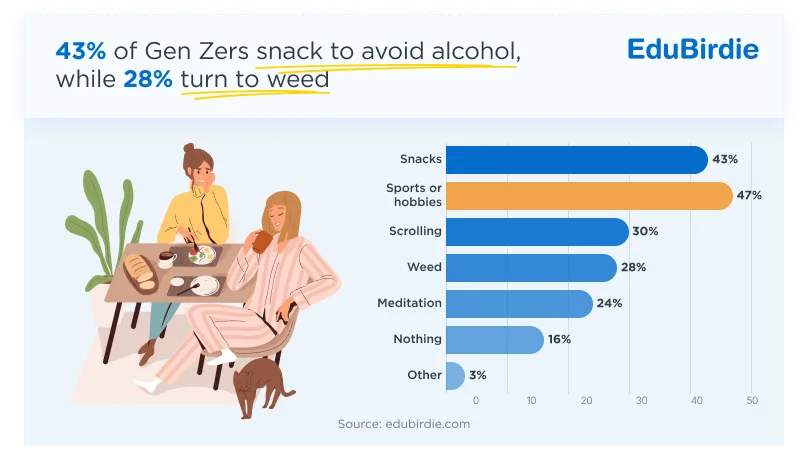
The benefits of cutting back on alcohol are clear, but what you swap it for matters. While 43% of Gen Zers reach for snacks and 28% turn to weed, replacing one vice with another won’t help.
For nearly half, however, less time spent drinking means more time for healthier pursuits – 47% focus on sports or hobbies, and 24% turn to meditation to curb the urge.
Gen Z isn’t the “sober generation” it was once labeled as, but having had a taste of wild nights, racking up plenty of cringe-worthy stories, the sober-curious trend is set to make a strong comeback in 2026.
Methodology: To create the study, researchers from EduBirdie surveyed 2,000 Gen Z (18-28 years old) from the US. The study did not focus on specific genders, ethnicities, or social backgrounds.